
The Allure of Casino Environments
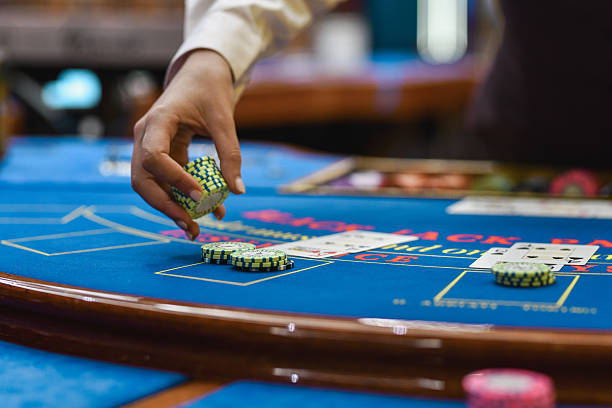
Casinos are tailored to create an enticing atmosphere, leveraging elements such as lighting, sound, and layout to enhance the gaming experience. The design of these spaces is intentionally chaotic, allowing distractions that encourage prolonged play. From the ringing of slot machines to the plush carpeting, every detail is curated to evoke feelings of excitement and anticipation, and many players find it hard to resist looking for the best online casinos australia for a chance at a thrilling escape.

This psychological crafting serves to amplify the emotional highs associated with gambling. Bright lights and joyful sounds signal wins, while the absence of clocks creates a sense of timelessness, allowing players to lose track of their spending while in pursuit of that elusive jackpot. This immersive environment significantly impacts behavior, often leading individuals to gamble more than they initially intended.
The Role of Cognitive Biases
Cognitive biases play a crucial role in how players approach gaming. One prevalent bias is the illusion of control, where gamblers believe they can influence the outcome of random games, especially in skill-based games like poker. This misconception can lead to overconfidence and an increased willingness to wager larger sums, as players feel empowered by their perceived abilities.
Another influential concept is the gambler’s fallacy, the belief that past results influence future outcomes in random games. For instance, a player may think that because a particular slot machine hasn’t paid out in a while, it is “due” for a hit. Such cognitive distortions can cloud judgment and lead to irrational betting behaviors, which casino operators capitalize on by reinforcing these beliefs through various promotional tactics.
Emotive Triggers
Emotions significantly drive gambling behaviors. Many individuals turn to casinos to escape stress or seek thrills, using gaming as a form of entertainment and emotional regulation. This emotional escape can lead to repetitive play and, in some cases, problematic gambling behaviors. Recognizing this, casinos often implement loyalty programs that appeal to players’ emotional needs, enhancing their sense of belonging and connection.
Furthermore, the highs and lows of gambling can create an emotional rollercoaster, with the potential for euphoric highs following a win to overshadow the reality of losses. This interplay of emotions can establish a feedback loop, drawing individuals back for more, despite understanding the risks involved. Thus, casinos expertly tap into this emotional aspect to maintain player engagement and generate recurring visits.
Social Influences and Peer Dynamics
Social factors greatly influence gaming behavior, as many individuals are drawn to casinos not just for the games but for the social experience. Gambling often takes place in groups, fostering camaraderie and shared excitement, which can amplify the urge to play. The social environment can lead to competitive behaviors, encouraging players to match or surpass the betting levels of their peers.
Additionally, social validation from friends or fellow players can reinforce a gambler’s decision to continue playing, even in the face of losses. The desire to fit into a social group or impress others can override personal financial limits, leading to increased risk-taking. Understanding these social dynamics is essential for a better comprehension of gambling behavior within casino settings.
New Horizons Learning Centres and Responsible Gambling
At New Horizons Learning Centres, the focus is on empowering individuals through education and skill development, which can be extended to responsible gambling practices. Understanding the psychological aspects behind gaming behavior can aid individuals in making informed decisions about their gambling activities. With courses covering various aspects of behavioral economics and decision-making, learners can equip themselves to recognize cognitive biases and emotional triggers that may lead to problematic gambling.
By fostering awareness and providing educational resources, New Horizons aims to help individuals not only in their professional lives but also in personal areas, such as managing gaming behaviors. This holistic approach to learning and development allows for a better understanding of one’s interaction with environments like casinos, prompting healthier choices and enhanced self-regulation in gambling activities.

Comments are closed